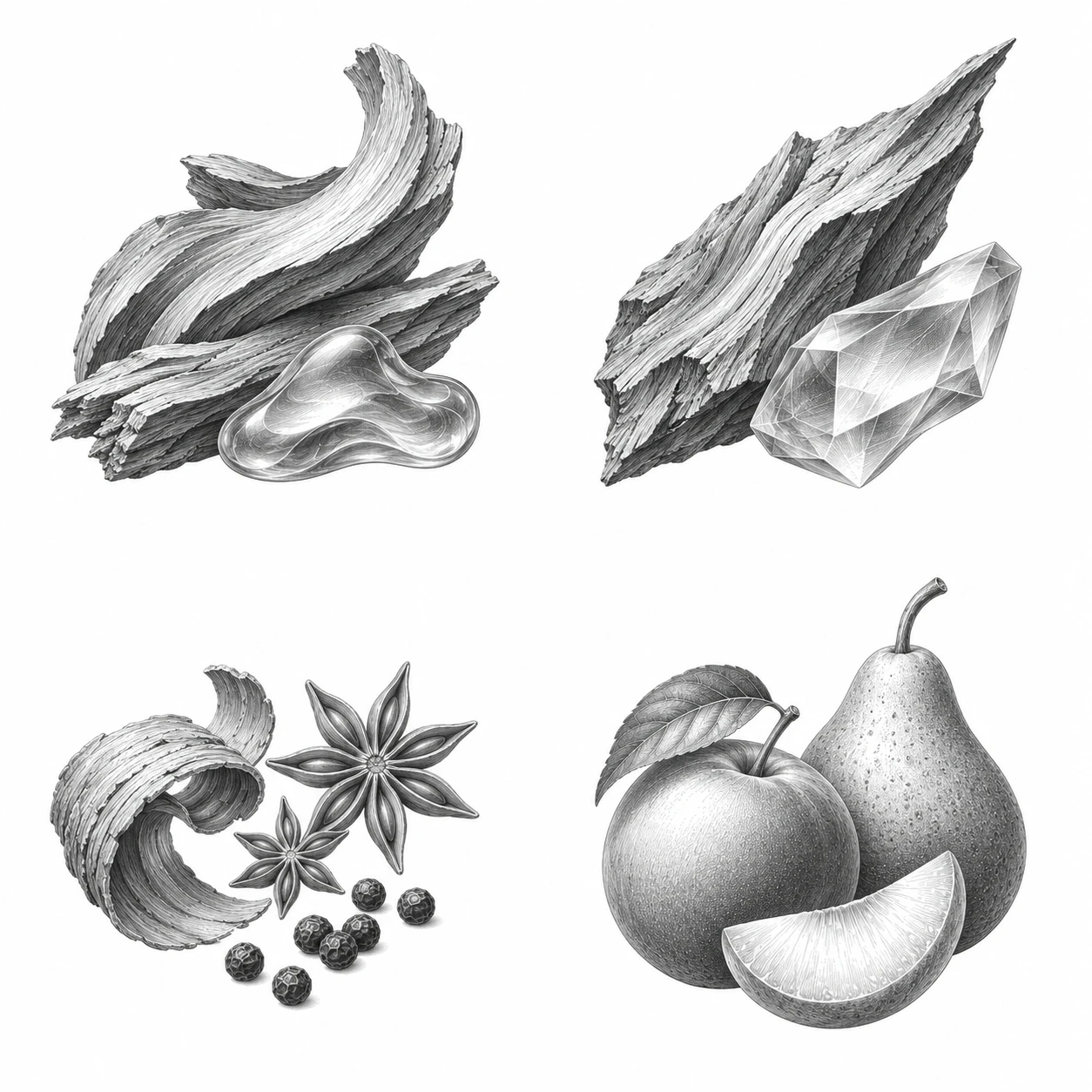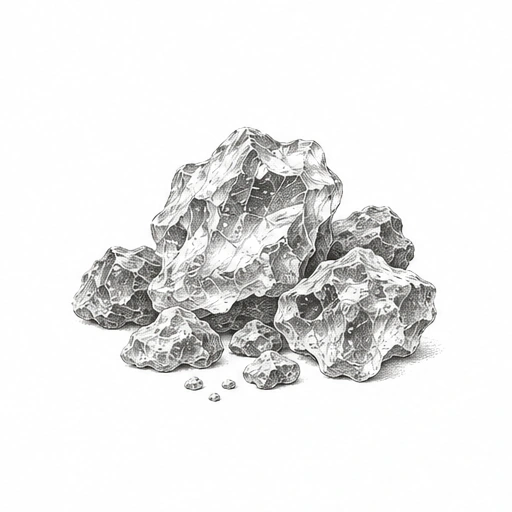
- Amber is
- A family label and olfactory effect, not one universal raw material
- Ask first
- Do you want resin, sweetness, salt, woods or radiance?
- Avoid shortcuts
- Amber does not automatically mean heavy or evening-only
Amber is one of perfume’s most beautiful and least precise words. It may make you imagine glowing resin, warm skin, balsam, smoke, salt, clean radiance or a deep sweet dry-down. All of those impressions can appear in an amber fragrance, and none of them is guaranteed by the word alone.
The useful way to choose is to decide what you want around the amber effect.
Resinous amber: warm, balsamic, slow
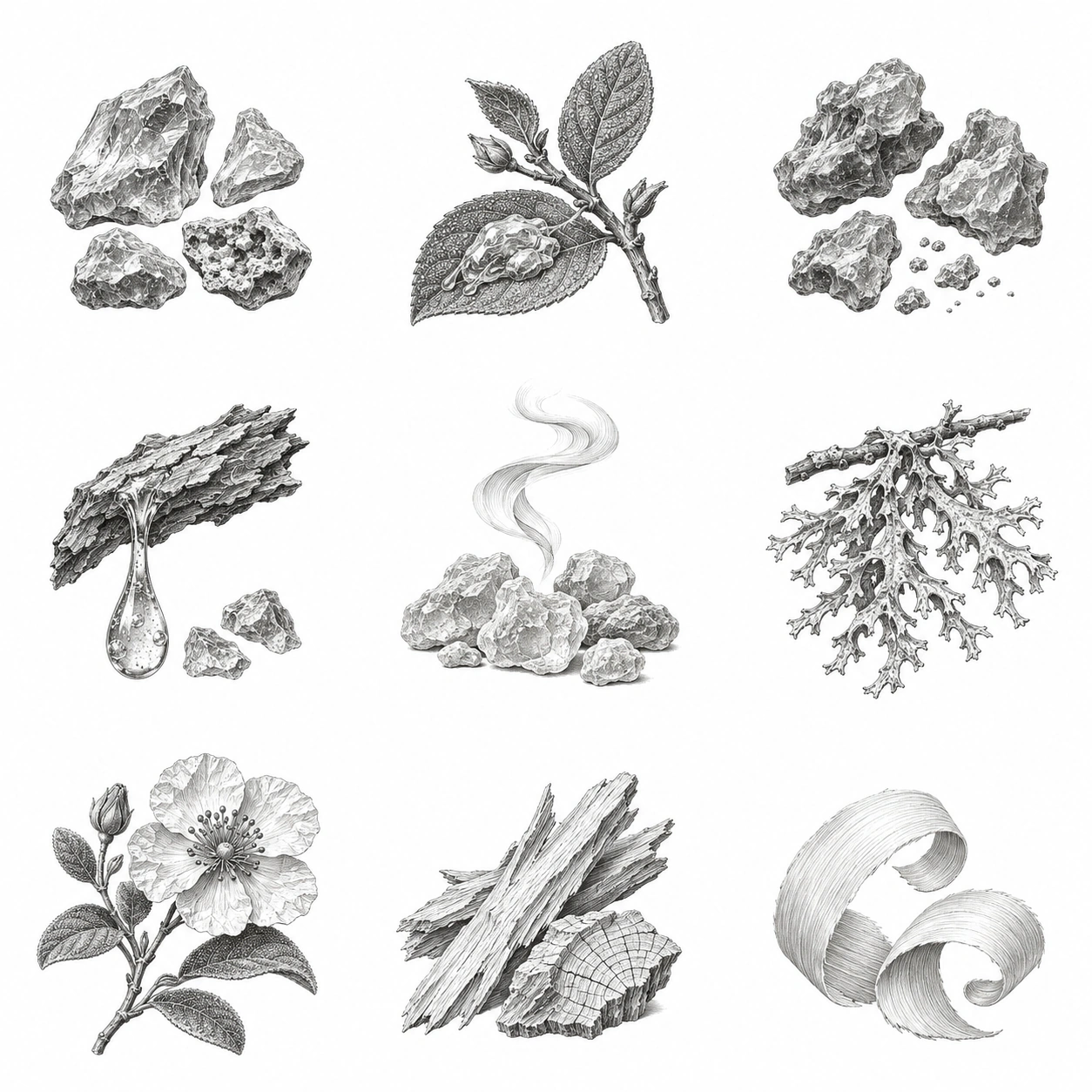
If you picture amber as resins, benzoin, labdanum or a warm balsamic glow, start with a composition that names those kinds of materials. Maison Francis Kurkdjian Grand Soir is a relevant internal reference for a golden, resin-oriented idea. It is a direction to sample, not a promise of a universal “winter perfume” experience.
Santa Maria Novella Ambra offers another heritage-facing route into the amber family. Compare the official notes and then test the exact edition; the word Ambra on a label cannot tell you the whole texture.
Amberwood: light, mineral, expansive
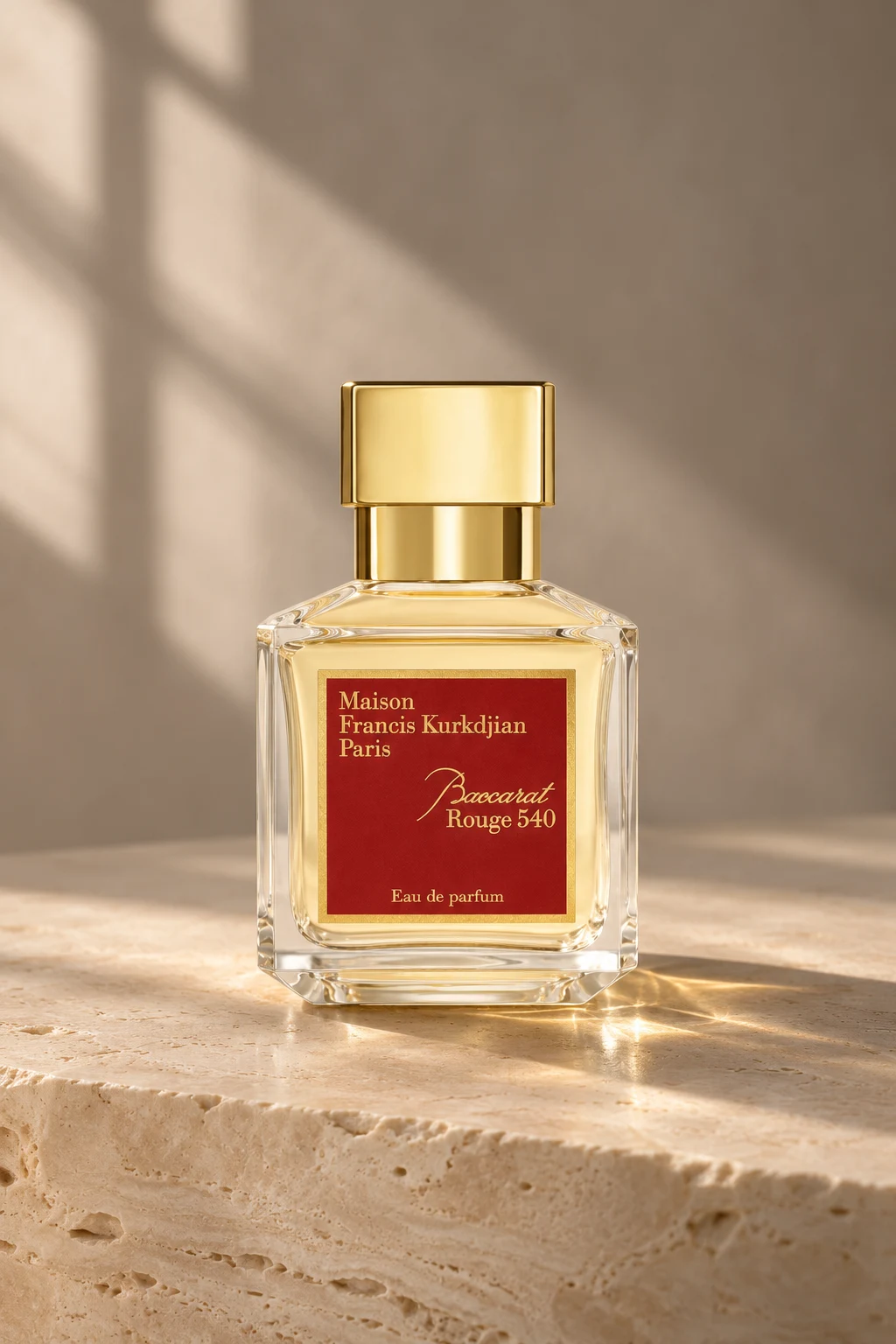
Some contemporary amber constructions are less like candlelight and more like air, wood and mineral warmth. Baccarat Rouge 540 is often placed in conversations about this effect because the house describes saffron, jasmine, Hedione, Ambroxan and woods rather than a simple resin list. That is why the same perfume can be described as sweet, dry, luminous or unusual by different people. Our Baccarat Rouge 540 guide unpacks the language without pretending there is one correct reading.
Amber with spice, vanilla or wood
The companions determine the feeling. Cardamom or pepper can make amber feel dry and articulated. Vanilla, tonka or caramel-like materials can pull it toward softness and sweetness. Incense adds smoke or lift. Patchouli gives grain; sandalwood adds a more tactile, creamy wood idea; citrus can make a resinous base feel less dense at the start.
Try writing two adjectives before you sample: perhaps dry + resinous, mineral + radiant, or soft + vanilla-warm. That pair is more useful than simply searching “best amber perfume.”
A better testing ritual
Amber fragrances often reward time, but do not use that as an excuse to buy blind. Put one on a blotter to understand its first contrast, then test it on skin on a quiet day. Return after the first ten minutes, then later when you have stopped trying to name notes. Is the part you enjoy a spice, a resin, a wood, a salt-like airiness or a sweetness? That is the answer to preserve for your next search.
Amber is not a single destination. It is a spectrum of temperature and light.
Sources & further reading
- Maison Francis Kurkdjian — Grand Soir, official compositionhttps://www.franciskurkdjian.com/us-en/p/grand-soir-eau-de-parfum-RA12221.html
- Santa Maria Novella — Ambra Eau de Parfum, official product pagehttps://us.smnovella.com/products/edpambra
- Maison Francis Kurkdjian — Baccarat Rouge 540 Eau de Parfum, official noteshttps://www.franciskurkdjian.com/int-en/p/baccarat-rouge-540-eau-de-parfum-RA12232.html

A life well considered.