- Starting point
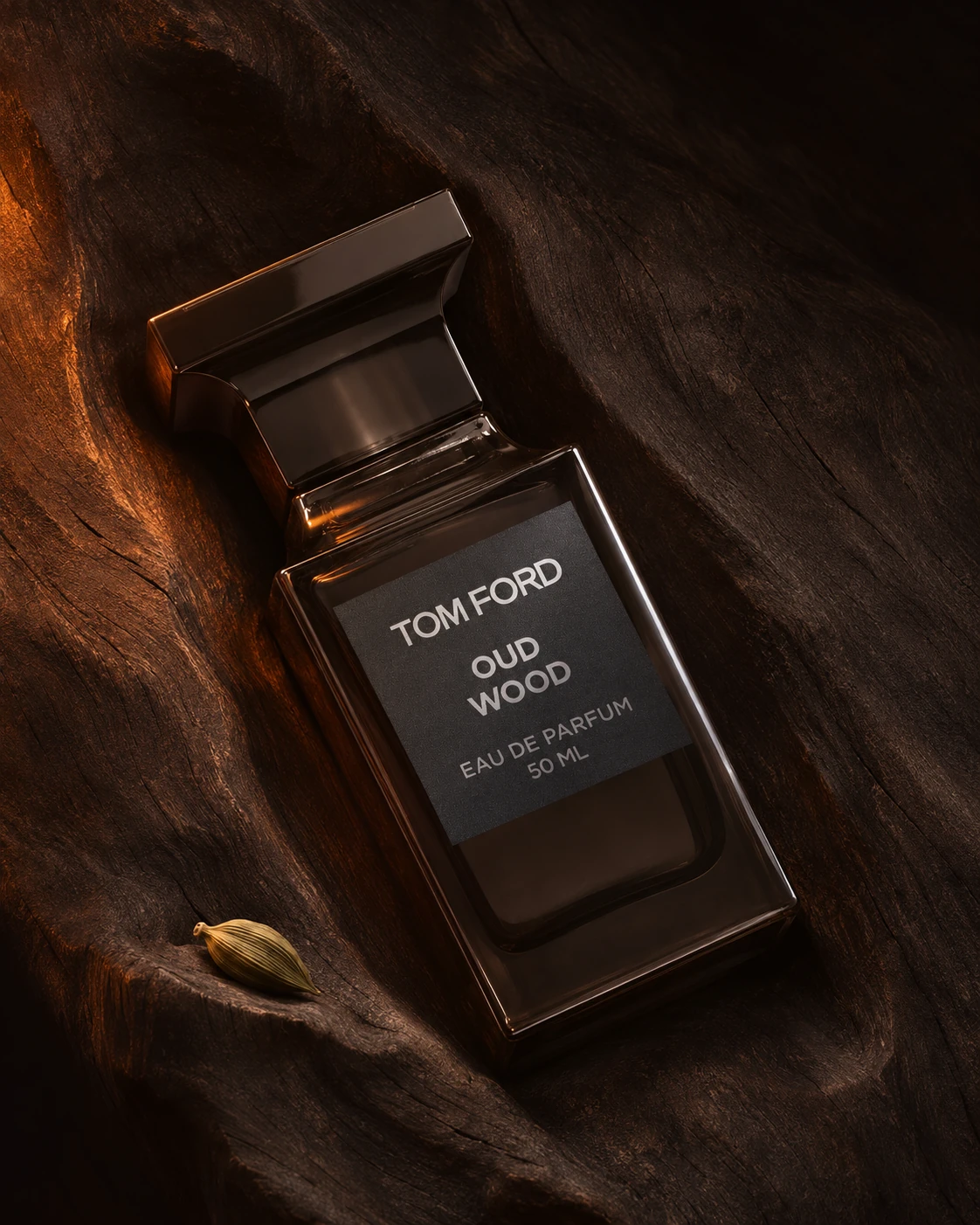
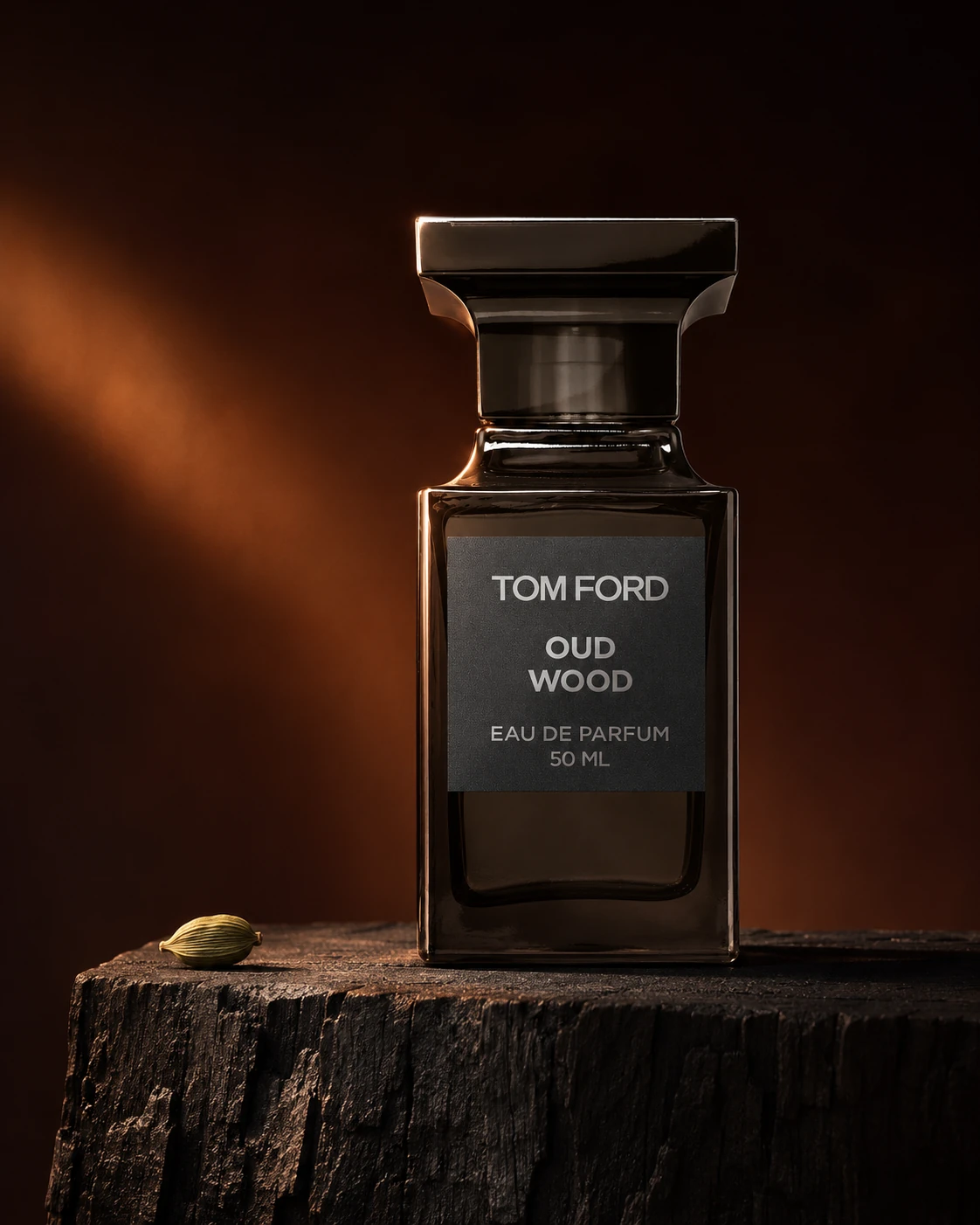
- Cardamom, pepper, patchouli, amber, oud and tonka
- Best method
- One spray of each on separate areas of skin
- Aim
- Change one facet, not the entire fragrance
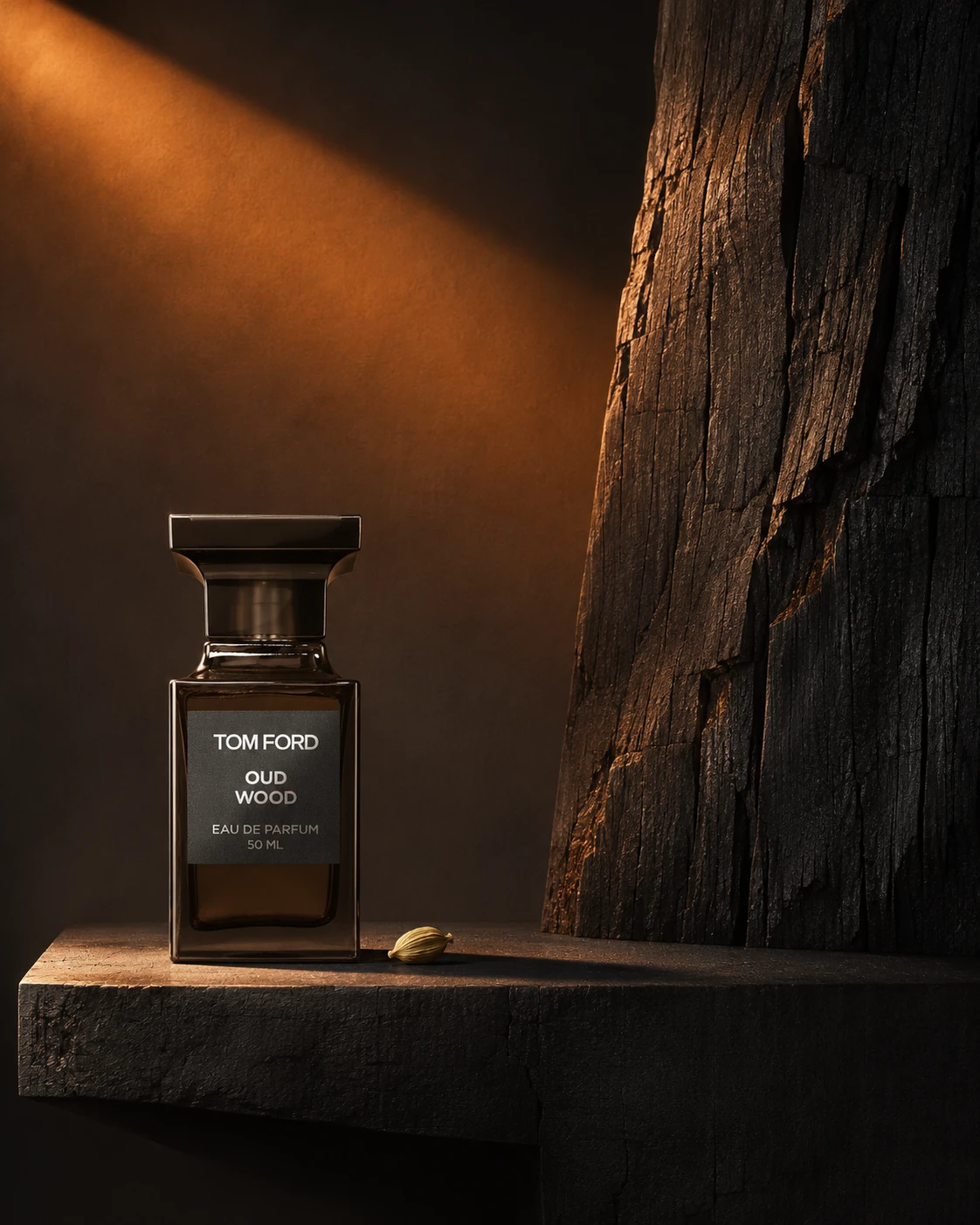
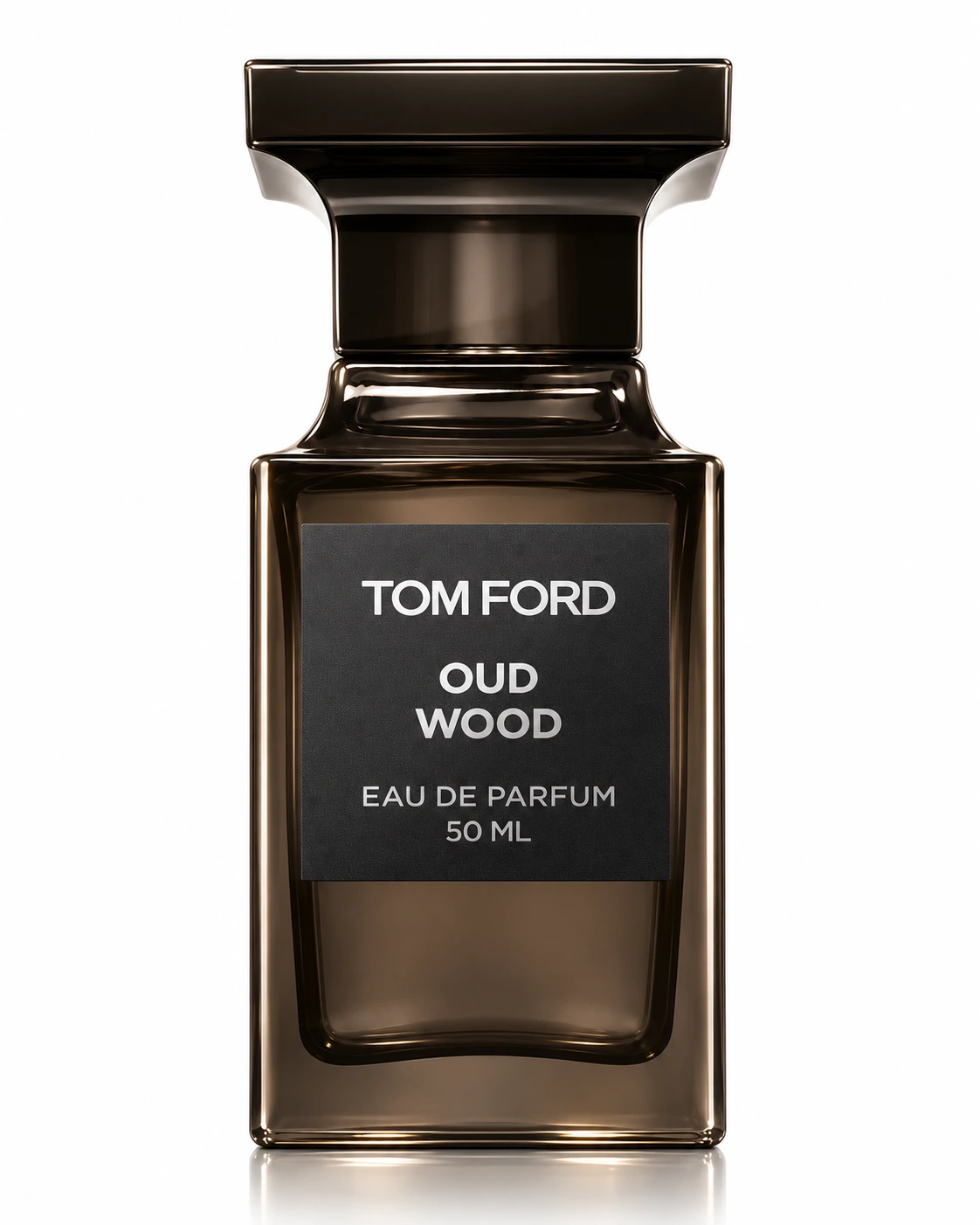
Layering does not need to mean turning two perfumes into a third, louder perfume. A useful layer changes one facet you already like. Tom Ford Oud Wood is a particularly clear place to start because its official notes already have a stable architecture: cardamom and pink pepper, patchouli, amber, oud and tonka bean.
The rule is simple: decide what you want more of, then add only that direction. Do not chase a formula from somebody else’s skin. Concentration, climate and the number of sprays can change a pairing completely.
If you want Oud Wood to feel brighter
Start with a dry citrus or neroli fragrance on one wrist and Oud Wood on the other, then let the air between them do the work before deciding whether to overlap. The purpose is not to make the oud disappear. It is to give the cardamom-and-pepper opening more lift.
Avoid immediately adding a syrupy citrus or an aggressively sweet orange accord. Those can make the contrast feel theatrical rather than clean. Look instead for transparent citrus, aromatic herbs or a restrained neroli structure.
If you want more softness
Oud Wood’s named tonka and amber make it logical to test beside a quieter musk or a soft iris. Here the goal is texture: the wood can become more suede-like, more powdery or more skin-close depending on the second perfume. Apply one spray of each to separate zones first; a neck-and-wrist combination is easier to understand than two perfumes on the same place.
For a different kind of softness, compare the effect of a tea-and-fig composition such as THÉ NOIR 29. It does not need to become a prescribed duet. Its dry leaf, cedar and musk direction simply offers a useful contrast to Oud Wood’s warmer spice.
If you want more shadow
Layering Oud Wood with another dense resin, leather or smoke can be beautiful, but it is the quickest route to losing its proportions. The cardamom and pepper may disappear first, leaving a broad dark cloud with no air in it. If that is the effect you want, use less: one spray of Oud Wood, then test the darker fragrance on fabric or a blotter rather than doubling both on skin.
This is also where one should separate mood from performance claims. A darker pairing can feel larger in a room without being objectively longer-lasting. No guide can predict that accurately for every wearer.
A four-step way to test any layer
First, smell each scent alone for ten minutes. Second, identify the facet you want to change: brightness, softness, dryness or shadow. Third, use one spray of each in separate locations. Fourth, make a note after the opening has settled and again later in the day. That small record will tell you more than a viral recipe.
Oud Wood has a particular history in the MASSO archive: it was the fragrance that opened a whole counter-world in Shanghai. That personal account includes combinations with Oud Minerale, Plum Japonais and Oud Wood Intense — memories of experimentation, not a universal instruction. Read it in Eleven Days in Shanghai.
SCENT CONNECTIONS
How this fragrance connects to the collection.
Strands connect pairs of shared notes. For example, Bulgarian rose is grouped with rose. This does not mean identical ingredients or wear.
 AI-generated animation
Woody · Amber
Strands connect pairs of shared notes. For example, Bulgarian rose is grouped with rose. This does not mean identical ingredients or wear.
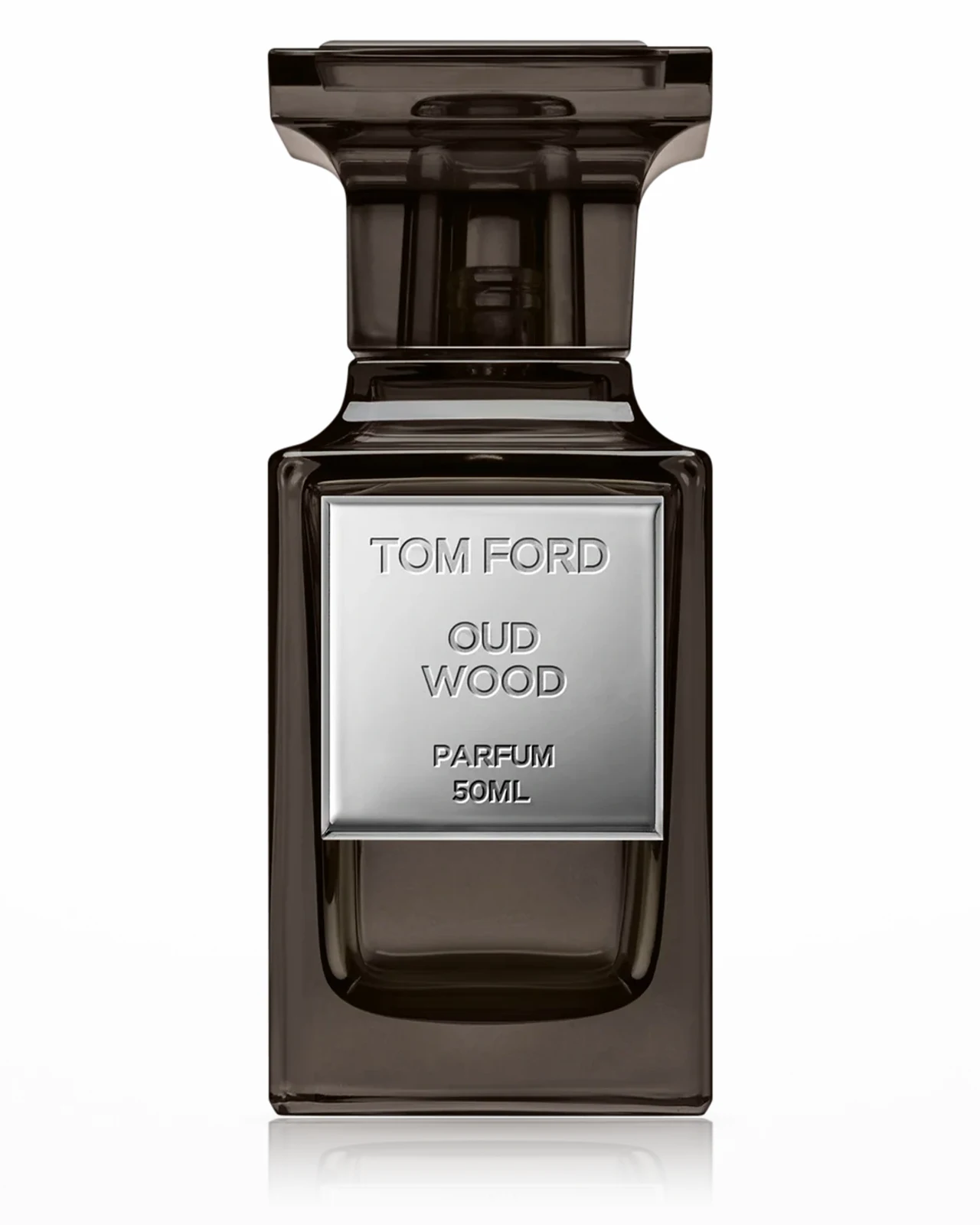
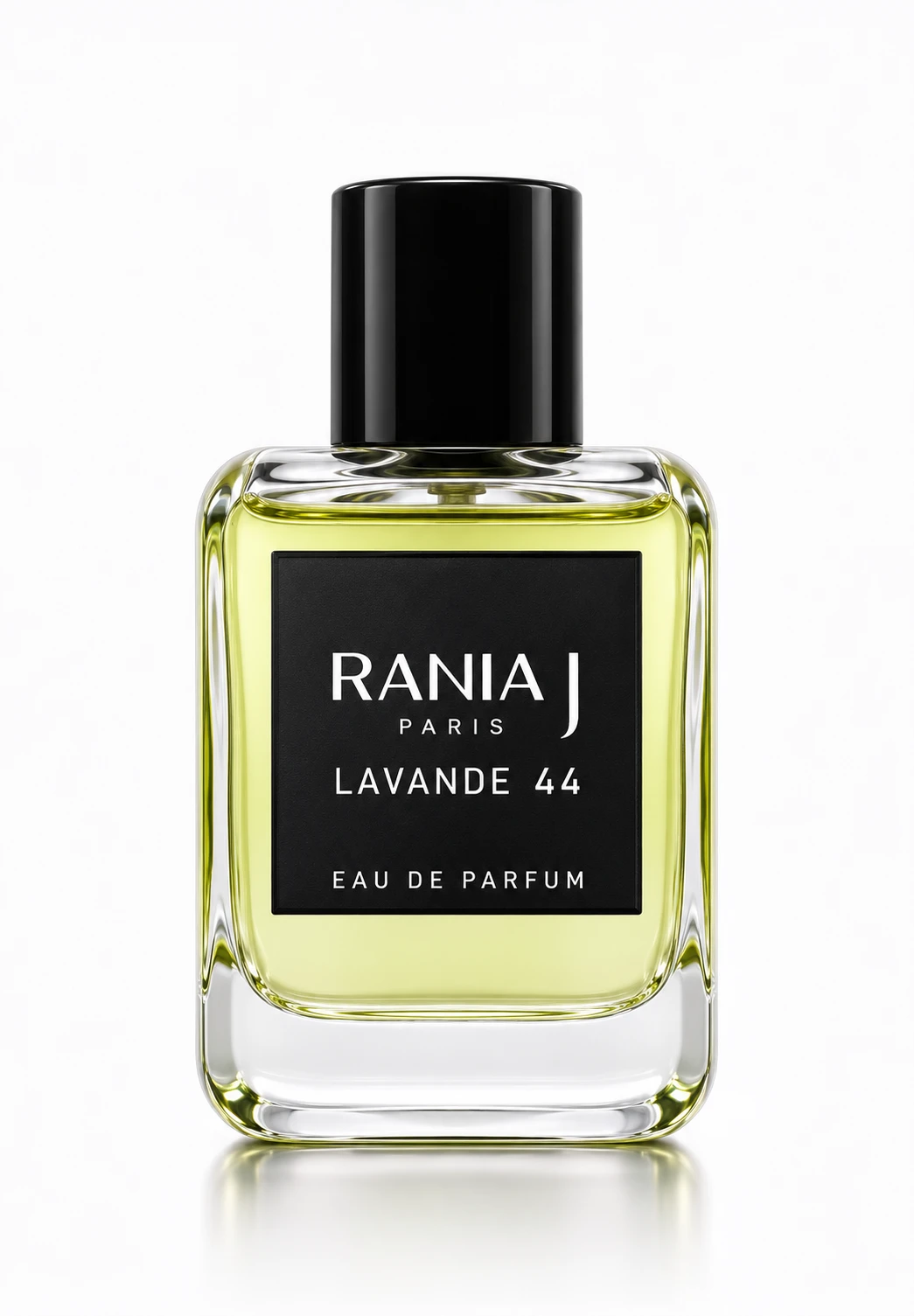
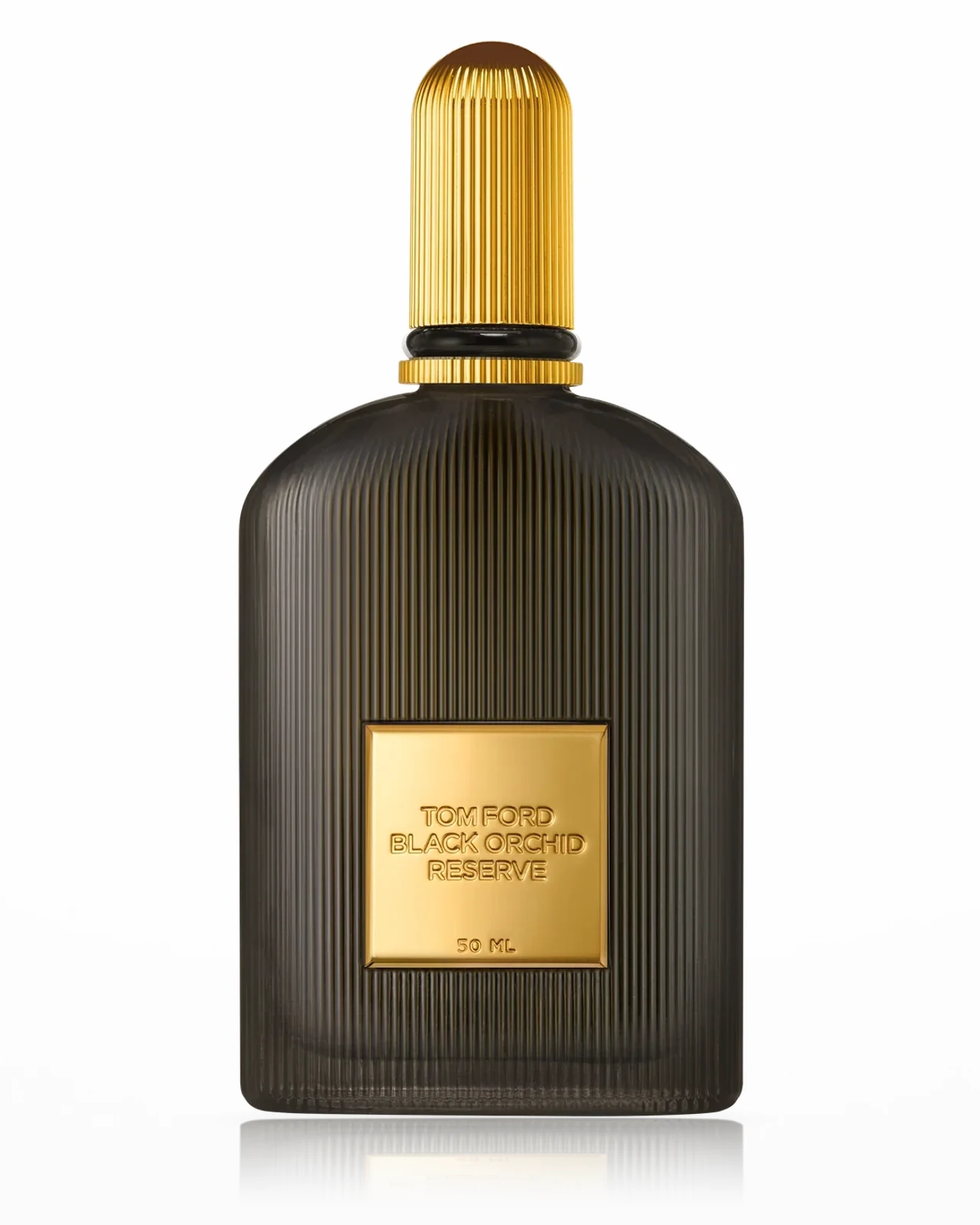
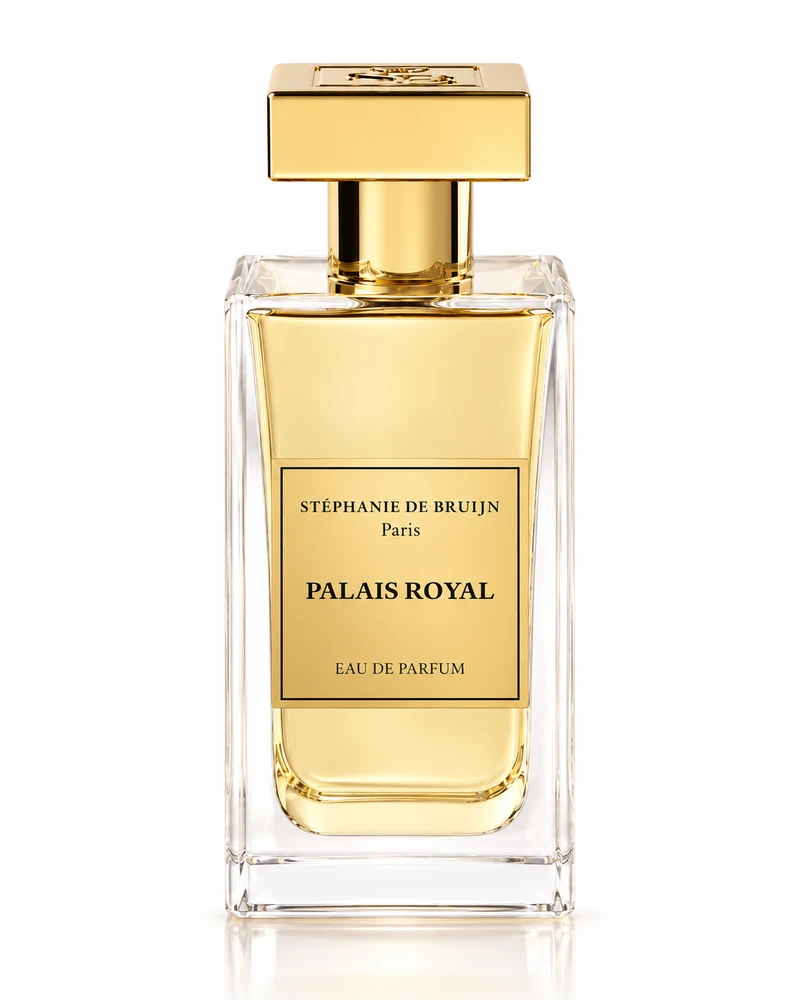
This link opens Cos Bar (US), 50 ml Eau de Parfum. Check the selected size, price, availability, delivery and returns at the retailer before paying.
Sources & further reading
- Tom Ford Beauty — Oud Wood Eau de Parfum, official description and noteshttps://www.tomfordbeauty.com/products/oud-wood-eau-de-parfum
- MASSO Edition — Tom Ford Oud Wood: Eleven Days in Shanghaihttps://massoedition.com/journal/tom-ford-oud-wood-eleven-days-in-shanghai/

A life well considered.